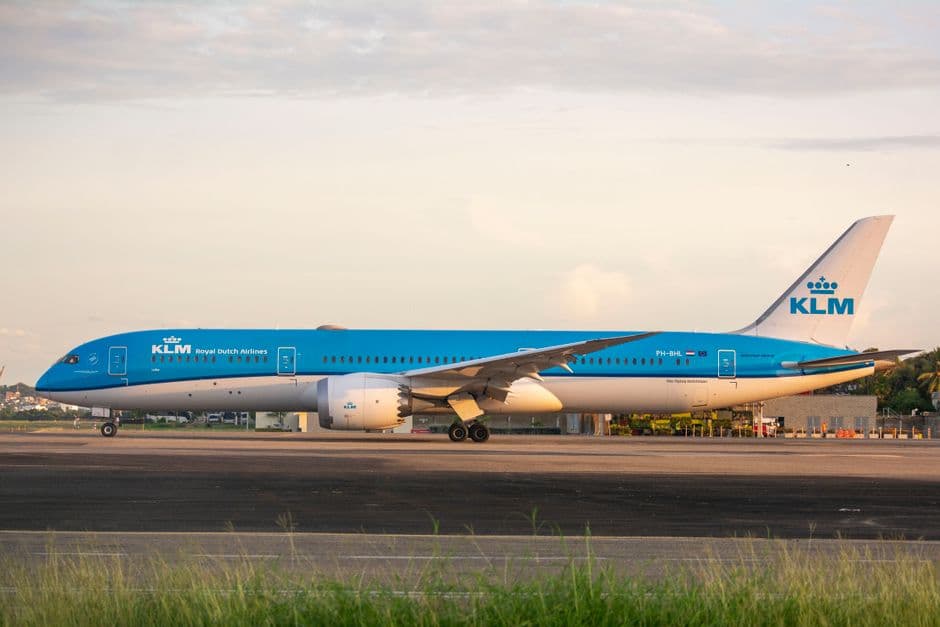
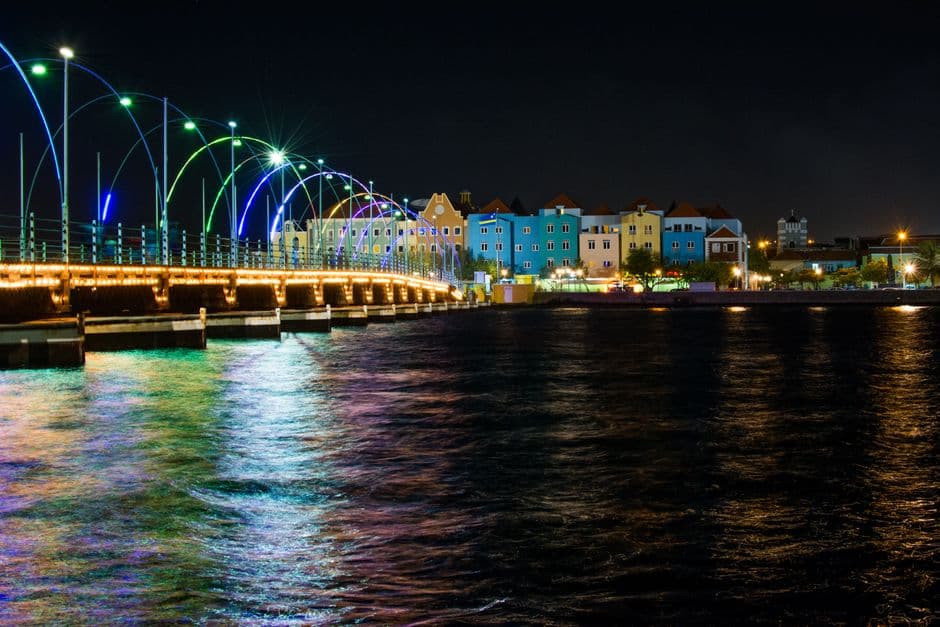
This guide covers what to expect when you land at Curaçao International Airport (CUR), also known as Hato International Airport. The terminal sits about 12 km from central Willemstad, a 15 to 20 minute drive, so you can be at your hotel soon after stepping off the plane. Flights reach the island from the Netherlands, North and South America and across the Caribbean, and they all arrive into a single arrivals hall.
Live Curaçao airport arrivals
Track every flight landing at Curaçao International Airport (CUR) in real time on the live board above, then read on for passport control, baggage and the drive into Willemstad.
Before you fly: the online immigration card

Curaçao has, in recent years, asked many visitors to complete an online immigration or digital embarkation card before travelling rather than filling in a paper form on board. The rule and the web address have changed more than once, so confirm the current requirement on the official airport or government channels close to your travel date, and keep the confirmation handy on your phone. Travellers connecting from a cruise or another Caribbean island may face slightly different paperwork, so check what applies to your route.
Step by step on landing
The process at CUR is short and follows a familiar order. Here is the sequence once you are off the aircraft:
- Passport control: have your passport and, where required, your immigration card reference or return ticket ready. Lines are quickest for early-morning arrivals and build up when several wide-body flights land together.
- Baggage claim: collect your luggage from the belt in the arrivals hall. Trolleys are available near the carousels.
- Customs: after baggage you pass through the customs channel. Use the green channel if you have nothing to declare and the red channel if you do.
- Arrivals hall: once through, you reach the public area with car-rental desks, ATMs and the exit to the taxi rank.
Money and quick essentials
| What | Detail |
|---|---|
| Distance to Willemstad | About 12 km, a 15 to 20 minute drive |
| Arrivals layout | Single arrivals hall |
| Currency | Caribbean guilder (XCG); US dollars (USD) widely accepted |
| Cash on arrival | ATMs and currency exchange landside in the hall |
| Languages | Papiamentu and Dutch; English and Spanish widely spoken |
The local currency is the Caribbean guilder (XCG), which replaced the Antillean guilder in 2025, though US dollars are accepted almost everywhere on the island, so you rarely need to change much money. Pull out small notes for the taxi and tips.
Getting into town
Step outside the hall and your options line up at the kerb: metered or fixed-fare taxis at the rank, car-rental desks just behind you, and hotel shuttles if your resort runs one. For a full comparison of fares, driving times and the cheapest ways across the island, see our guide to getting from the airport to Willemstad. Booking a transfer before you fly means a driver is waiting when you clear customs, which is handy after a long flight or a late landing.